







.avif)






















%20Carl%20Hollier.webp)


No items found.


Entomophagy, or eating insects, has a long tradition in many parts of the world. However, this market appears to be continually expanding, meaning the supply chain must keep pace to meet demand. It's also important to understand the new geographical implications and requirements, particularly when it comes to future foods.
At the time of writing, the world population stands at 7.8 billion and continues to grow — you can find an up-to-date figure on the population clock. According to some sources, the world population will grow to as many as 12 billion people by the end of the 21st century, with most living in developing countries where food shortages are already a problem.
There has been great interest in edible insects as a fantastic protein alternative, but as with any new food source, we need to think about the supply chain and the challenges involved. Insect-farming technology is simple and requires minimal operating resources, meaning it can be applied in both low-resource and high-resource countries — which matters a great deal in terms of real global impact.
When we talk about the role of insects in food, they are absolutely indispensable. The vast majority of our food production depends on pollination by insects.
To help prevent a worldwide food shortage, scientists are searching for sustainable solutions. Alternative protein sources are urgently needed, as the land currently available isn't enough to meet growing demand for food, particularly meat. As a result, insects are now likely to become the new wonder ingredient in the food and animal feed industries, largely because of their many environmental benefits compared with meat production.
Among the hundreds of different insect species, crickets are the most commonly used for human consumption. Crickets are one of the most nutrient-dense edible insects, and in many parts of the world they are dry-roasted, baked, fried, boiled, or consumed as a powder made from dried and ground crickets, which can easily be incorporated into many food recipes. Crickets are also widely farmed for non-human animal feed, as they provide substantial nutrition for the many species of reptile, fish, bird and other mammals that eat them. Crickets are typically killed by chilling, at which point they no longer feel pain, and are sedated before neurological death.
Wax worms are the larvae of wax moths and are also widely used around the world for food, fishing bait, laboratory testing, and plastic degradation. They are low in protein but high in fat, making them a valuable fat source for many insect-eating animals. Wax worms can survive in low-temperature environments and are simple to produce in large quantities. For these reasons, wax worms are expected to soon play an important role in food for human consumption.
Insects are not only a promising ingredient in food for human consumption but are also expected to be increasingly used in animal feed. Fly larvae, for example, could replace the fishmeal currently used in animal feed, as they have a similar amino acid composition. It's possible to formulate fishmeal to increase the proportion of unsaturated fatty acids. Wild birds and free-range poultry can eat insects in adult, larval and pupal form, while locusts, moths and houseflies are considered a useful feed supplement for poultry.
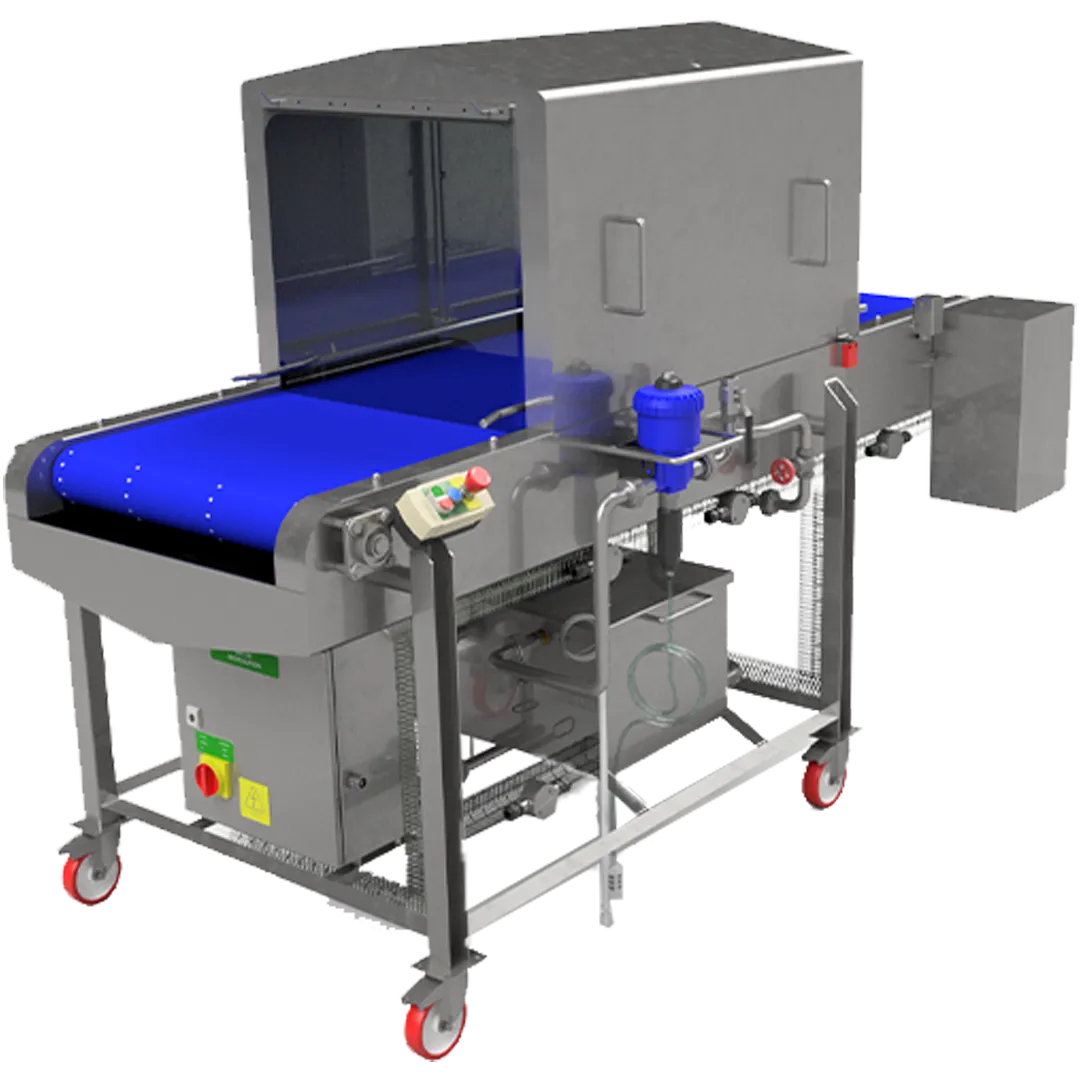
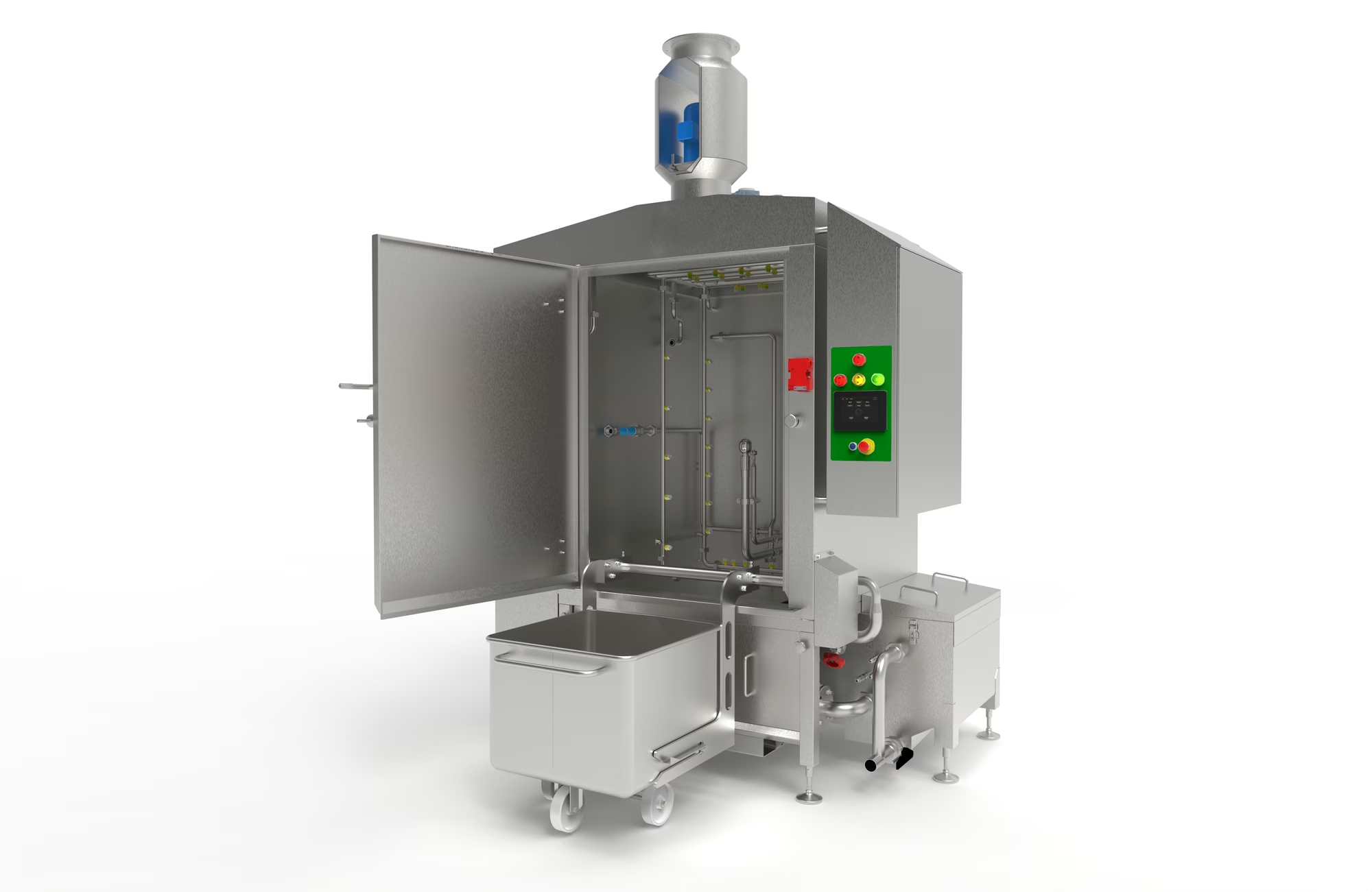
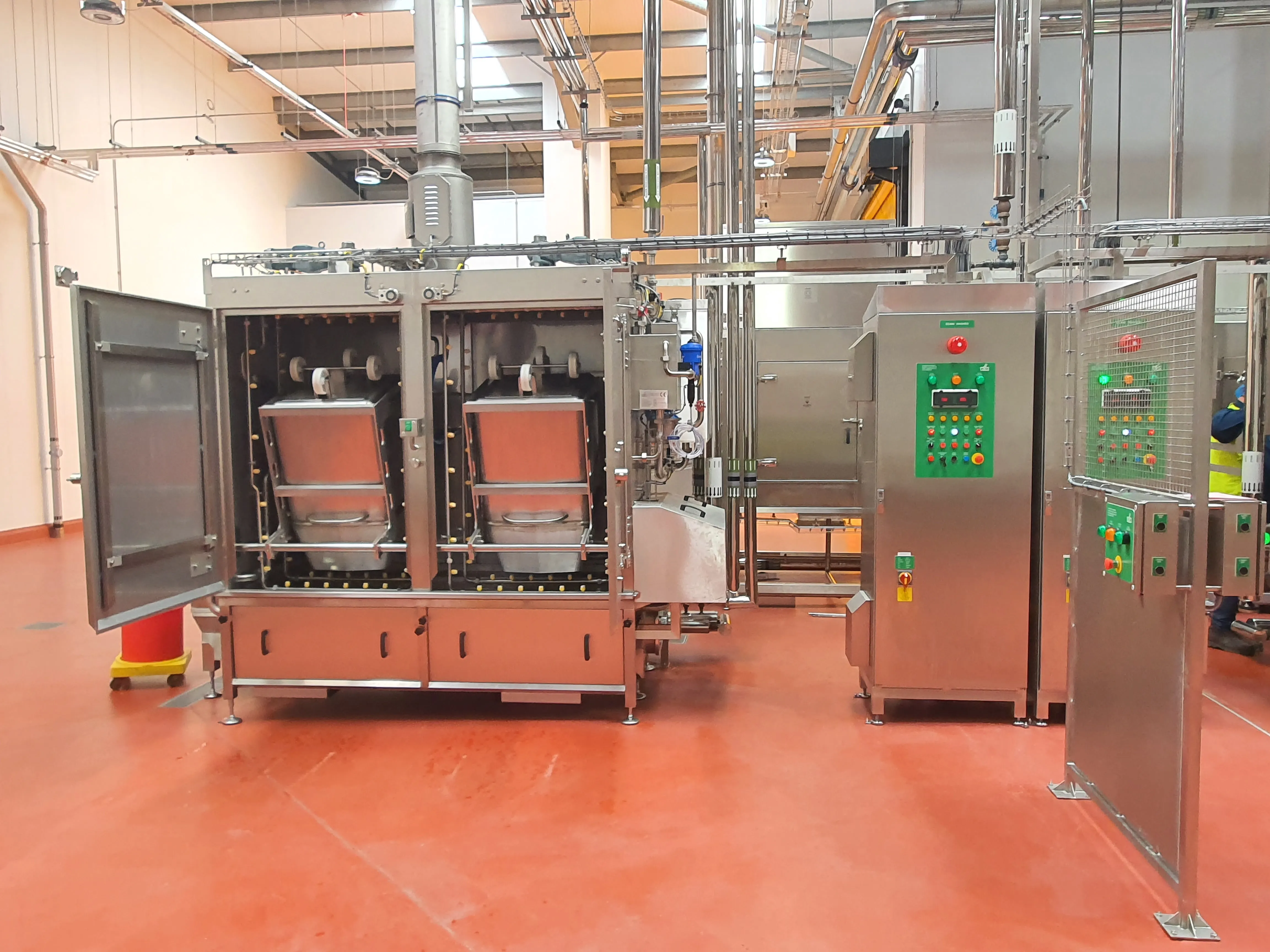
At IWM, we've already designed and built a bespoke washing machine for a local company that farms larvae for animal feed production. The larvae are then dried and processed into a specialist, protein-rich animal feed. However, incorporating insects into our diets (and those of our pets) comes with its own considerations. For one thing, some people may be allergic to certain types of insect without realising it, so protection against such health risks must be carefully considered. To accommodate these new foods, new manufacturing processes, labelling, certification and regulatory frameworks will need to be established.
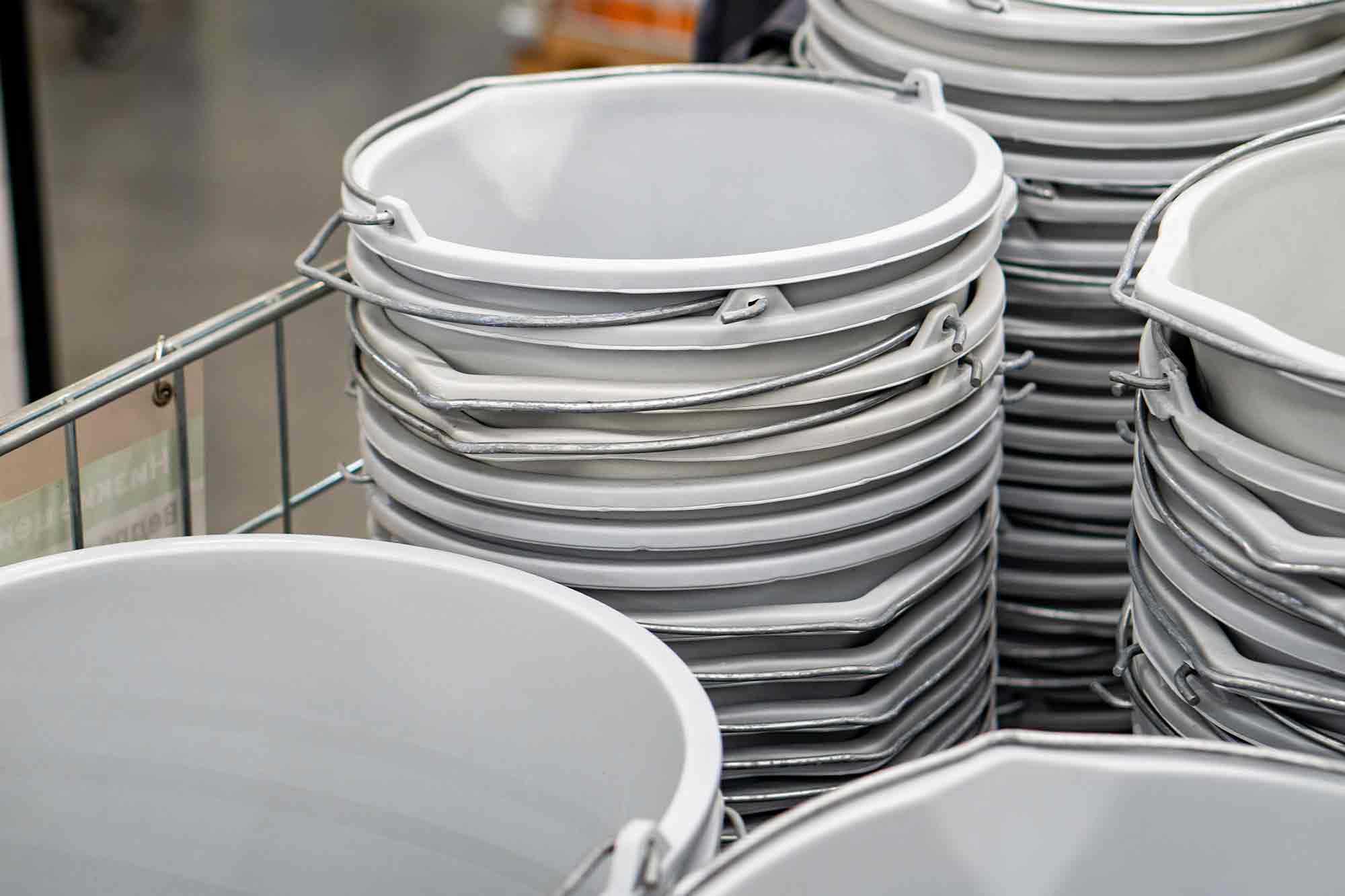
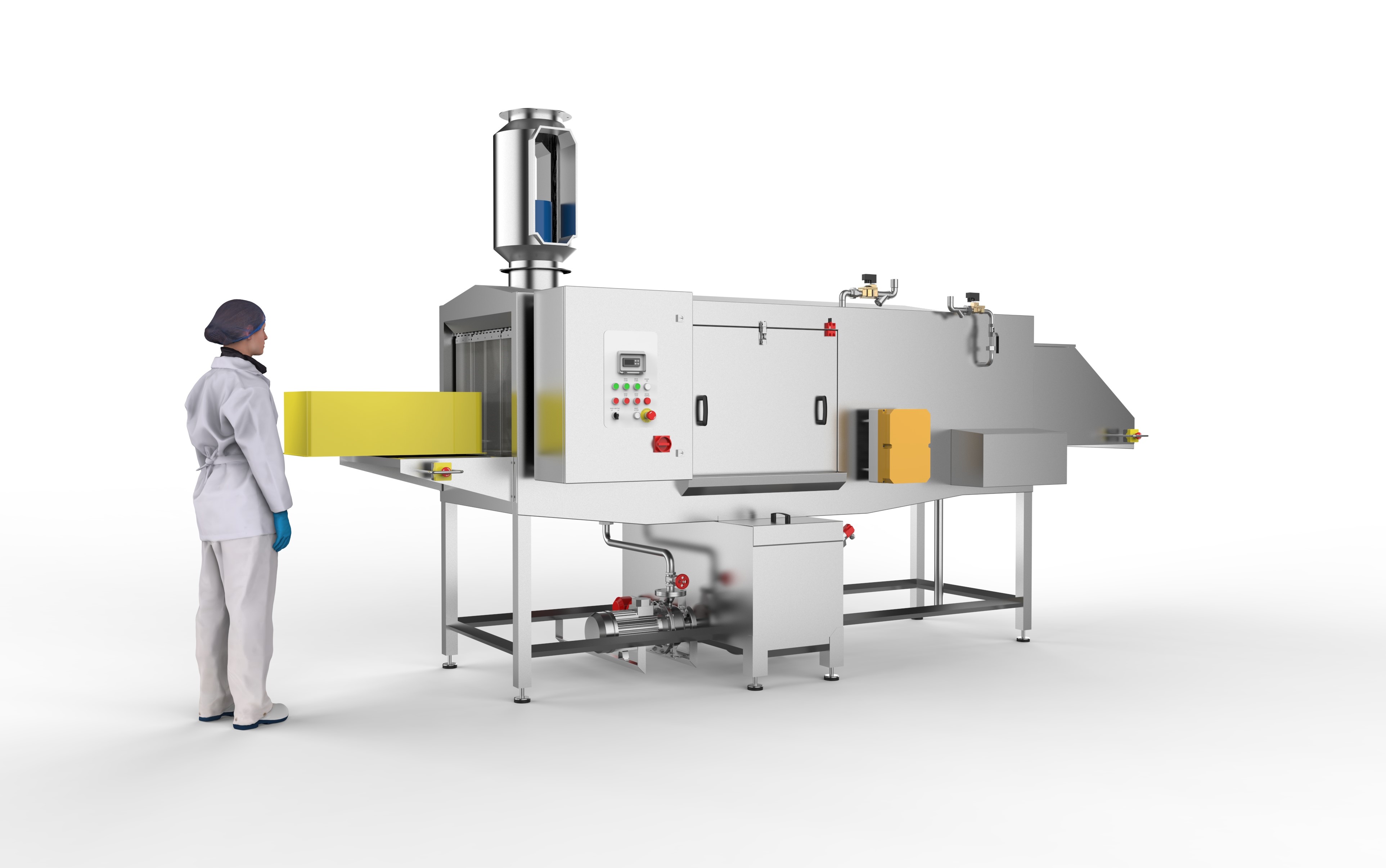
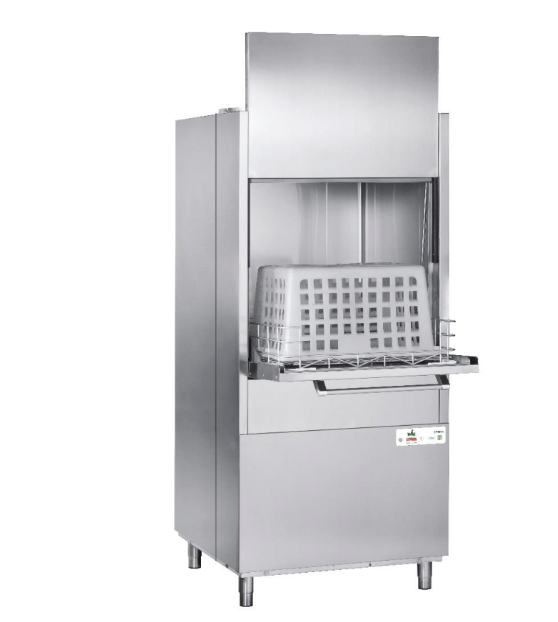
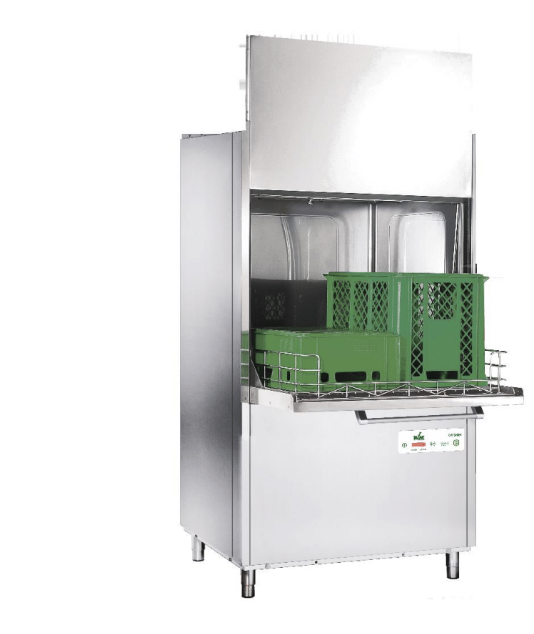
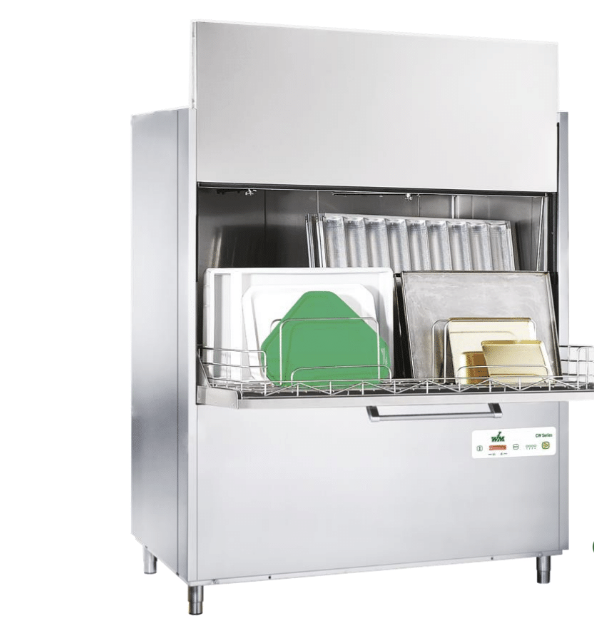
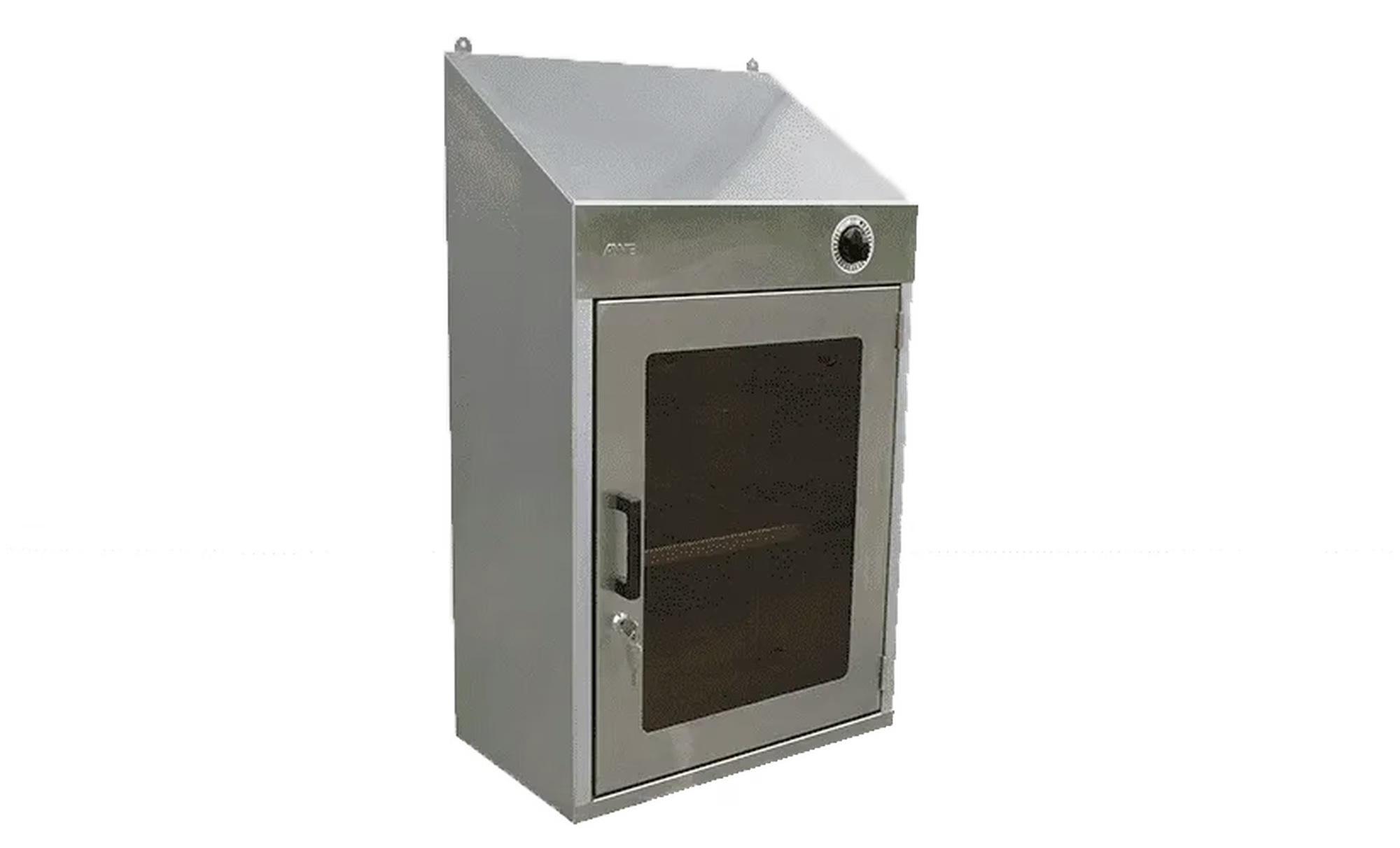
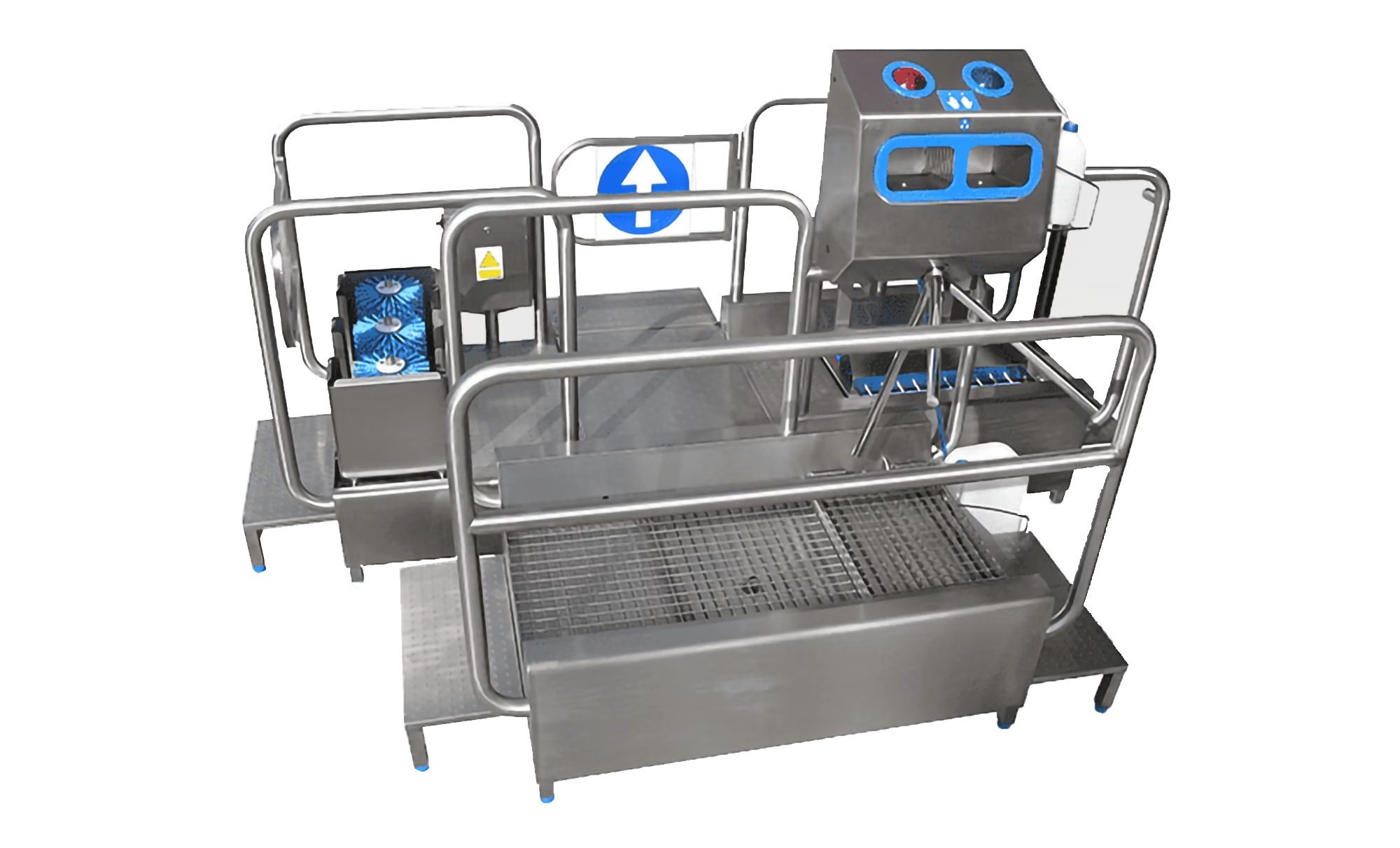
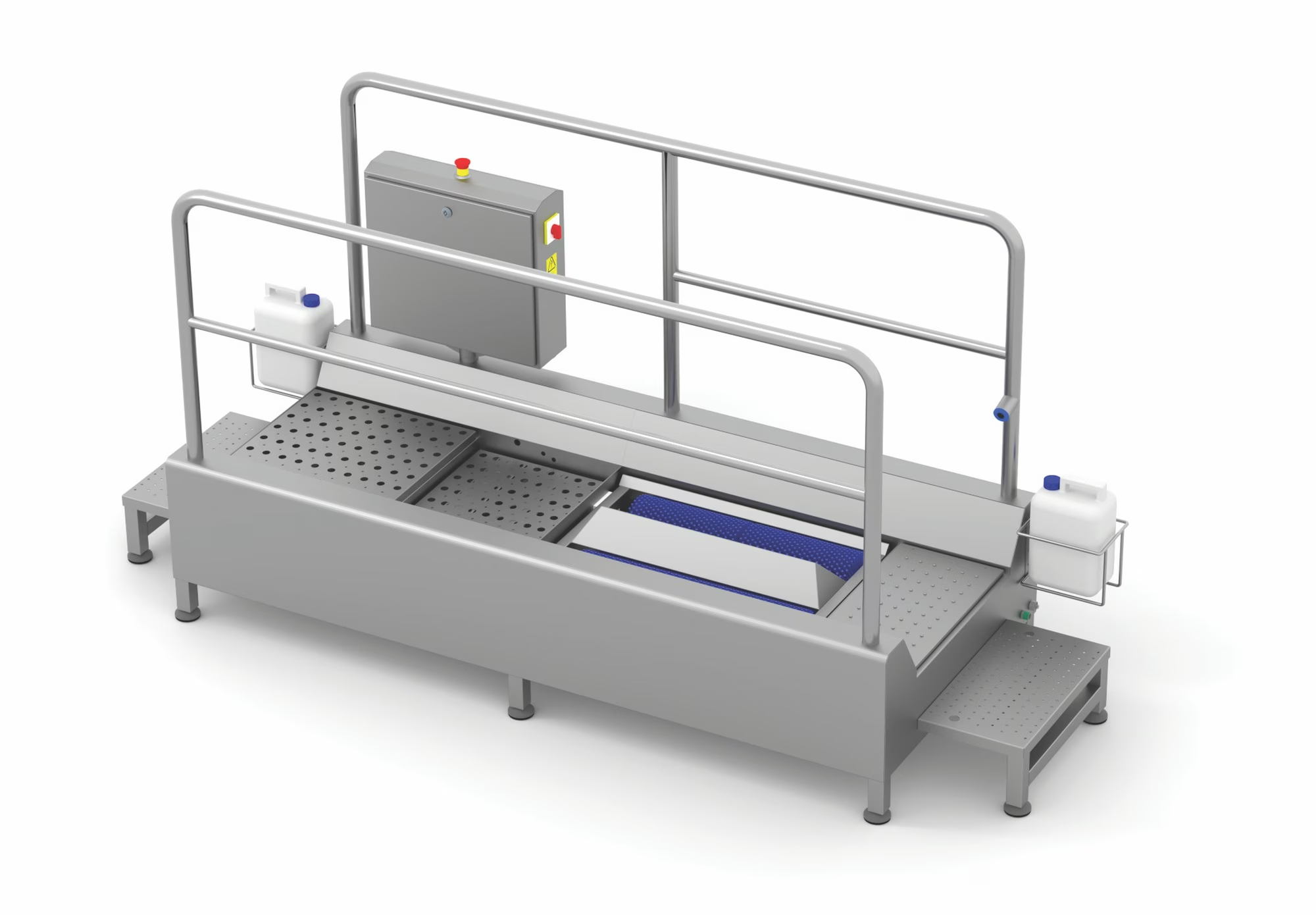
It's possible that manufacturing insect-based food will require updated hygiene measures for mixing bowls, moulds, utensils and trays used in food production and transport. Specialist crate and basket washers, drying systems, rack washers, pallet washers and machines designed specifically for cabinet equipment may need to be developed to accommodate these new structures and substances. IWM already has experience designing washing machines to clean the containers used to store and transport these remarkable edible creatures.
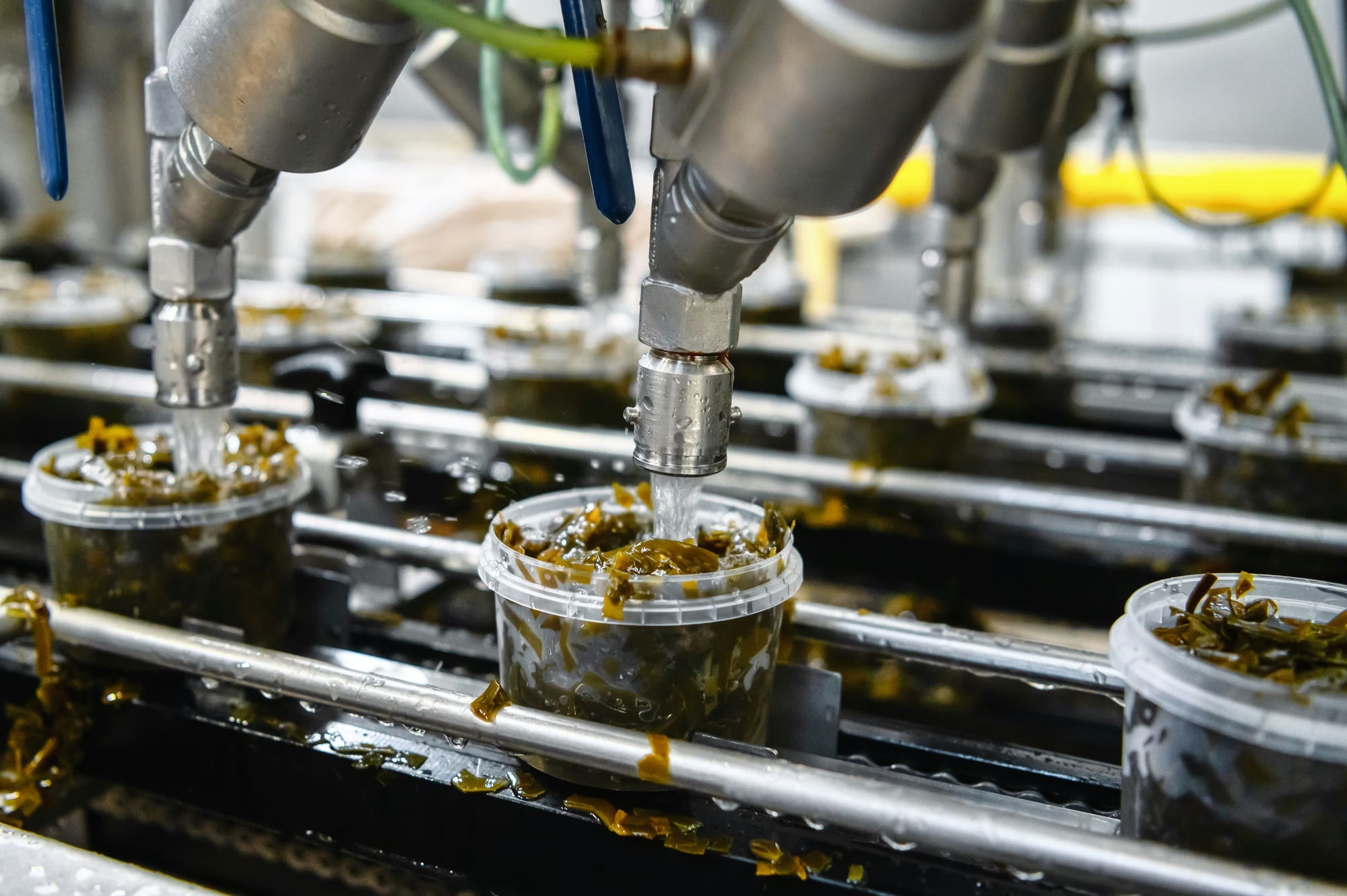
Harvested and processed insects should be packaged in suitable, food-grade packaging material that protects the processed insects and ensures their integrity. Cleaning of the packaging and containers must follow the same process to ensure the correct chemical quality and first-class washing machine design are maintained. All machines and equipment must be fit for purpose and comply with standard food industry requirements.
Although a ham sandwich and a packet of crisps remain my lunch of choice for now, this may need to change in future to larvae on a stick with a cricket salad. Whatever the future holds, IWM's engineers have the know-how and creativity to develop innovative designs suited to the evolving practices of food manufacturing.
Chocolate industry hygiene solutions. We provide industrial washing solutions and hygiene equipment specifically suited to the chocolate industry. Our systems are designed to handle the challenges of chocolate production, including fats, coatings and residue build-up on equipment and production tools.
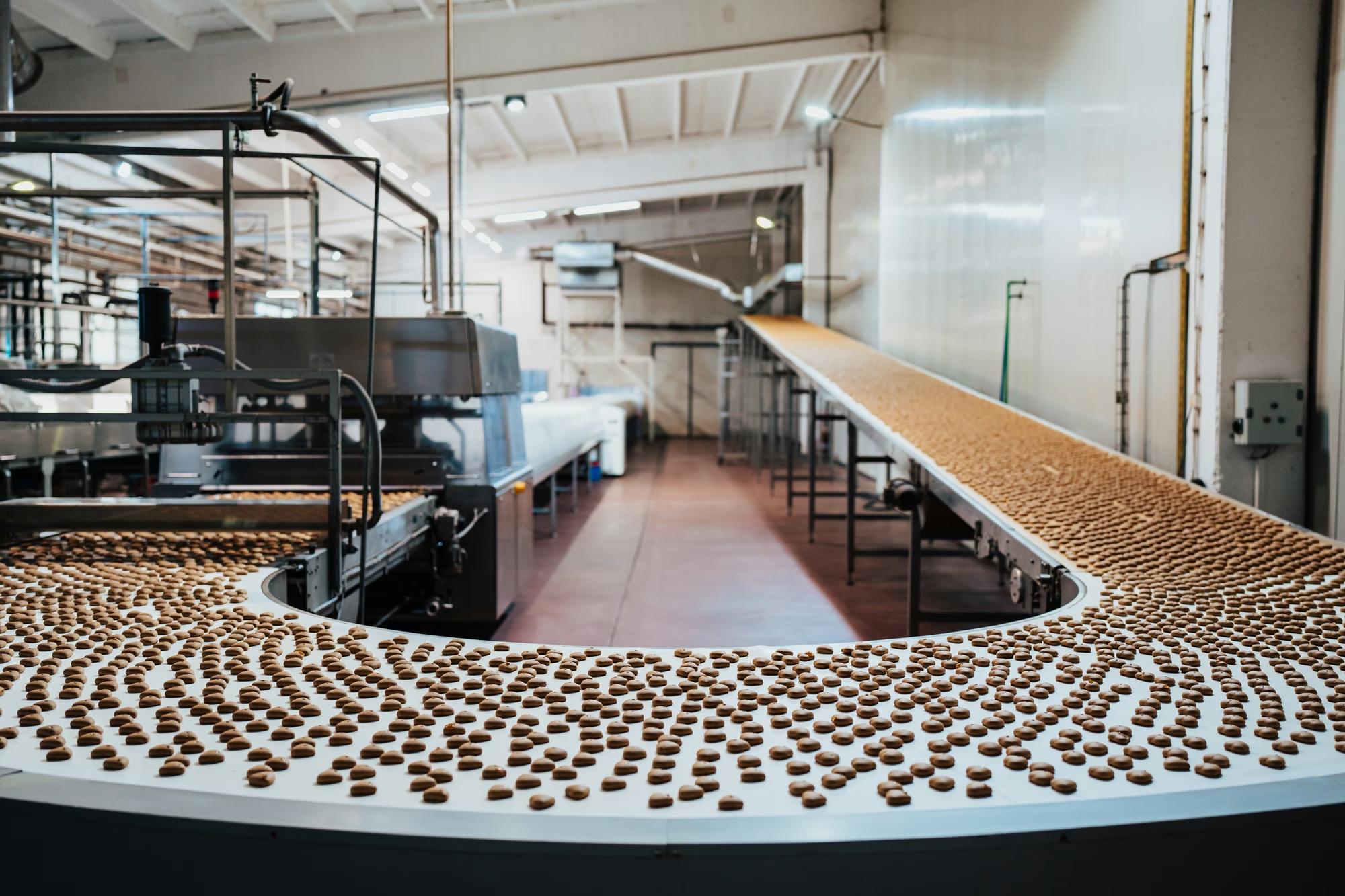
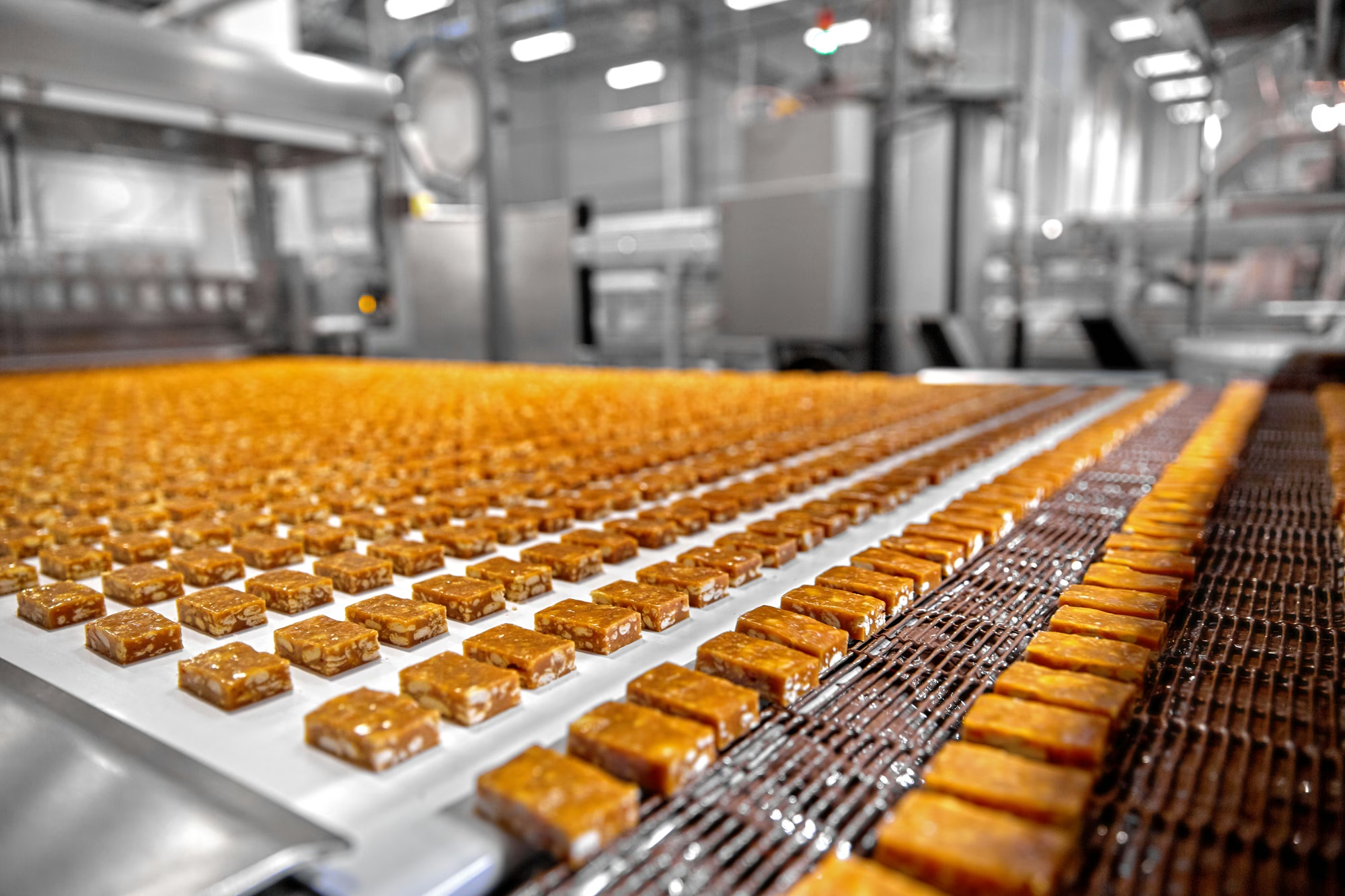
Confectionery industry washing systems. We supply industrial washing solutions and hygiene equipment to support the cleanliness demands of the confectionery industry. Our systems are designed to deal with sticky residues, coatings and production build-up commonly found in sweet and chocolate manufacturing.



































.webp)


